LANGUAGE
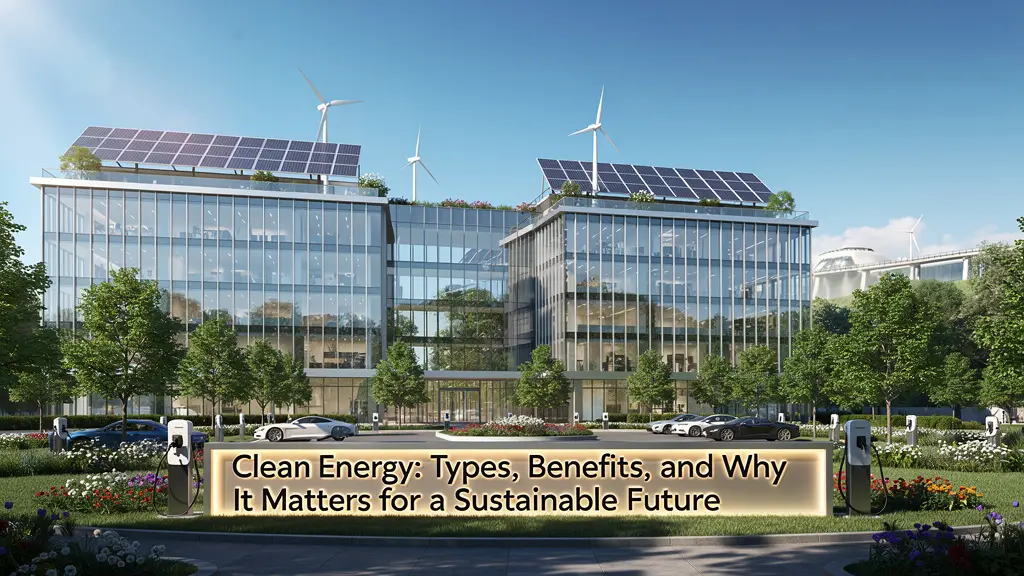
Understanding Clean Energy and Its Growing Importance
Clean energy has become the backbone of modern infrastructure planning, powering homes, industries, and entire cities without depleting natural resources. As urban centers expand, the demand for sustainable power sources is reshaping how land is developed and valued across India. Regions like Delhi, NCR, Noida, and Greater Noida are witnessing a strategic shift toward green energy integration in residential, commercial, and industrial projects.
Major Types of Clean Energy
Clean energy sources are diverse, each offering unique advantages depending on geography and infrastructure readiness.
- Solar Energy: Widely adopted across open land parcels in Baghpat and Shukrtaal, where abundant sunlight supports large-scale solar farms.
- Wind Energy: Increasingly explored in semi-urban belts surrounding Delhi NCR for hybrid energy projects.
- Hydropower: Utilized in regions with consistent water flow, supporting grid stability.
- Biomass Energy: Converts agricultural waste into usable power, relevant for rural belts near Baghpat.
- Green Hydrogen: An emerging frontier gaining momentum in planned smart cities such as Dholera.
Why Clean Energy Matters for Sustainable Growth
The shift toward renewable power is not just an environmental necessity but an economic opportunity. According to the International Energy Agency, renewable capacity additions continue to accelerate globally, directly influencing land valuation and infrastructure investment in emerging corridors.
Clean energy adoption reduces carbon footprints, lowers long-term operational costs, and enhances the livability index of growing cities. For investors and developers, this translates into premium land value in locations positioned near upcoming green energy corridors.
Regional Growth Hubs Embracing Clean Energy
Delhi NCR and Noida Corridor
Delhi and NCR remain at the forefront of clean energy adoption, with Noida and Greater Noida integrating solar rooftops and energy efficient infrastructure into new commercial and residential townships. This positions the region as a benchmark for sustainable urban planning.
Baghpat and Shukrtaal
Baghpat and Shukrtaal offer expansive land banks ideal for large-scale solar installations and hybrid energy projects. Their proximity to Delhi NCR makes them attractive for investors seeking affordable land with high renewable energy potential.
Dholera: India's Model Smart City
Dholera stands as a flagship example of clean energy integration at a city-scale level, designed from inception to support solar power, efficient grid systems, and sustainable industrial zones. It represents the future blueprint for green urban development across India.
Investment Perspective: Clean Energy and Land Value
As clean energy infrastructure expands, land parcels near these corridors are seeing increased demand from developers, industrialists, and long-term investors. Locations offering renewable energy readiness, like those surrounding Delhi NCR, Baghpat, and Dholera, are becoming preferred choices for future-ready commercial and industrial projects.
Whether you are exploring land for a solar project, industrial development, or a sustainable township, aligning your investment with clean energy growth corridors ensures long-term value appreciation.
If you are evaluating opportunities across Noida, Greater Noida, Baghpat, Shukrtaal, or Dholera for clean energy driven development, connect with experts who understand these emerging markets. Post Your Requirement to get tailored guidance on land and investment opportunities aligned with sustainable growth.
Conclusion
Clean energy is no longer a futuristic concept but a present-day driver of infrastructure and investment decisions. From Delhi NCR to Dholera, regions embracing renewable energy are setting new benchmarks for sustainable development, making them prime destinations for forward-thinking investors and developers.
- Research Team

Mr Vinay Mehrotra
MD & REALTY EXPERTMr. Vinay Mehrotra is the Managing Director and Lead Real Estate Expert at Bhavya Ventures, an ISO 9001:2015 certified property portal. With over two decades of extensive experience in the Indian real estate market, he specializes in strategic property transactions across commercial, industrial, residential, and agricultural sectors. A trusted industry advisor, Mr. Mehrotra is highly regarded for his meticulous approach to property verification, risk assessment, and navigating the complex landscape of real estate compliance and regulatory frameworks in India.
Expert AI Insights (FAQs)
Q: Which types of clean energy are most viable for land investment in India?
Solar and wind energy are currently the most viable options, especially in land-rich regions like Baghpat, Shukrtaal, and Dholera, where open spaces and favorable climatic conditions support large-scale renewable projects.
Q: Why is Dholera considered a leading example of clean energy integration?
Dholera was planned from the ground up as a smart city with built-in solar infrastructure, efficient grid systems, and sustainable industrial zones, making it a model for future clean energy driven urban development.
Related Real Estate Concepts & Guides
Interested in this Concept?
Discover available properties in this category across India.
VIEW FULL COMMERCIAL INVENTORYEXPLORE OTHER CATEGORIES
MARKET INTELLIGENCE
Bhavya Ventures is an ISO 9001:2015 Certified brand. Our experts analyze NCR trends daily.
READ NEWS →VERIFIED STATUS
- ✅ 100% Verified Documents*
- ✅ Direct-to-Owner Inventory